Advanced cardiovascular technology
Technology should answer a clinical question.
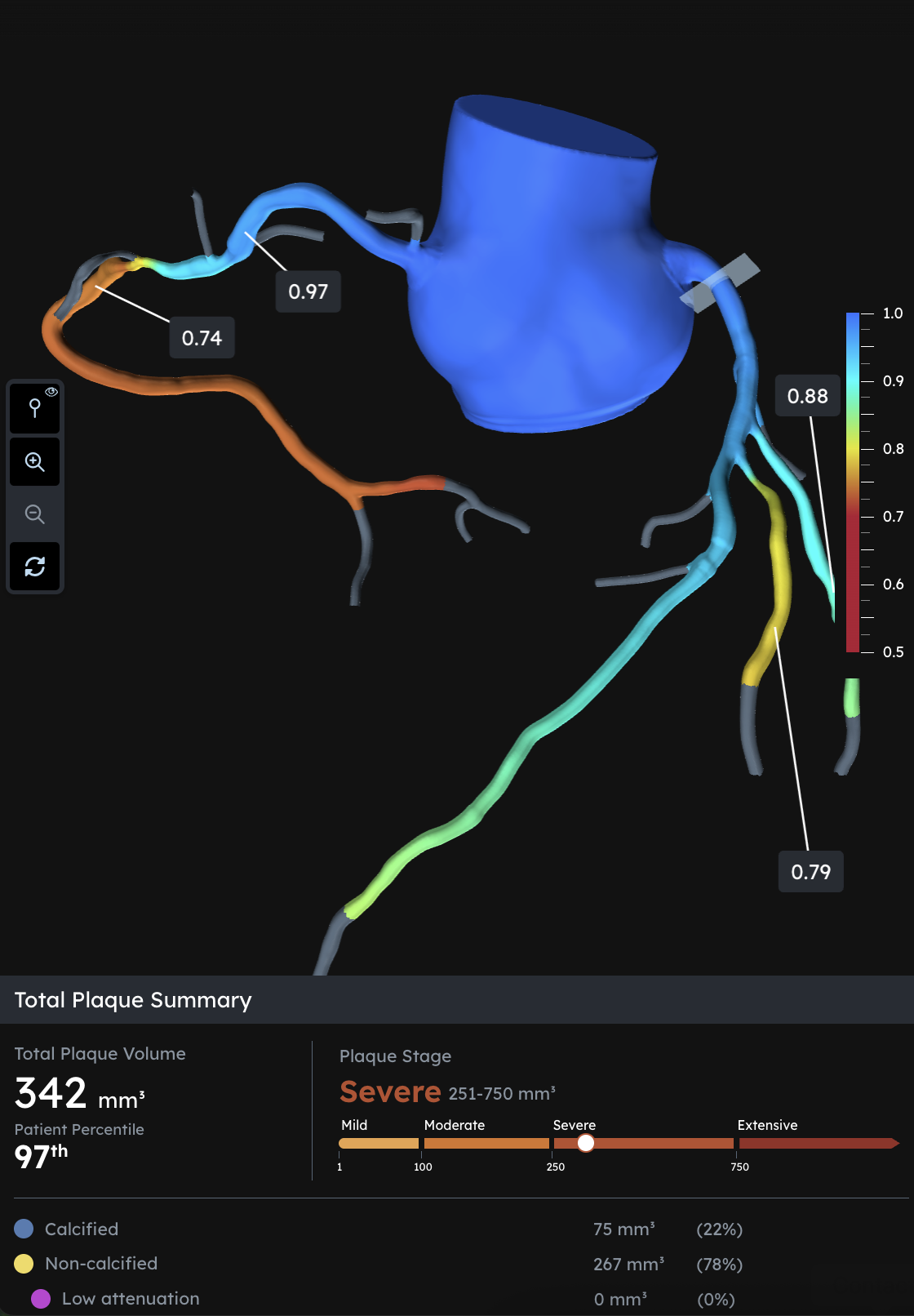
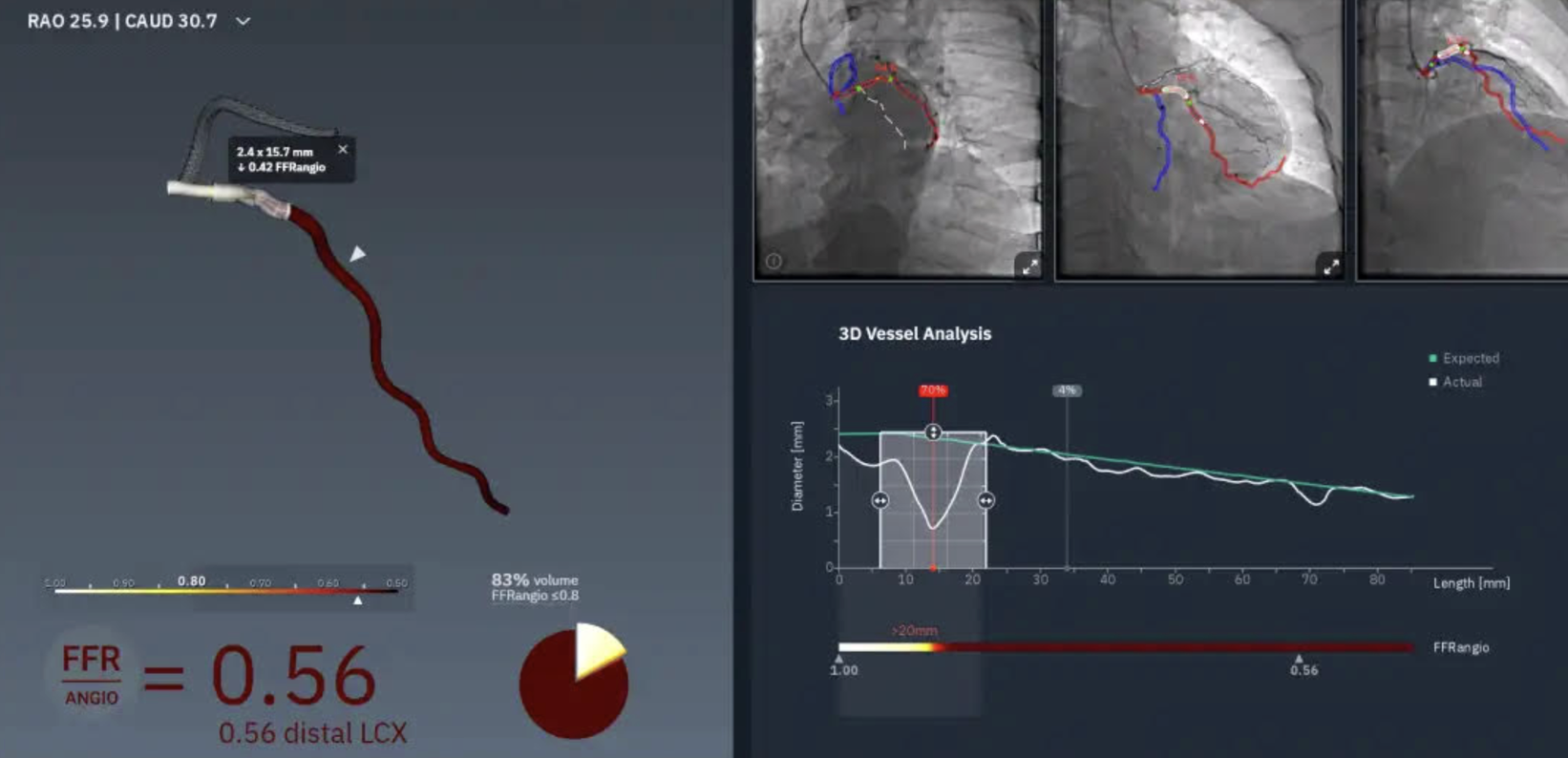
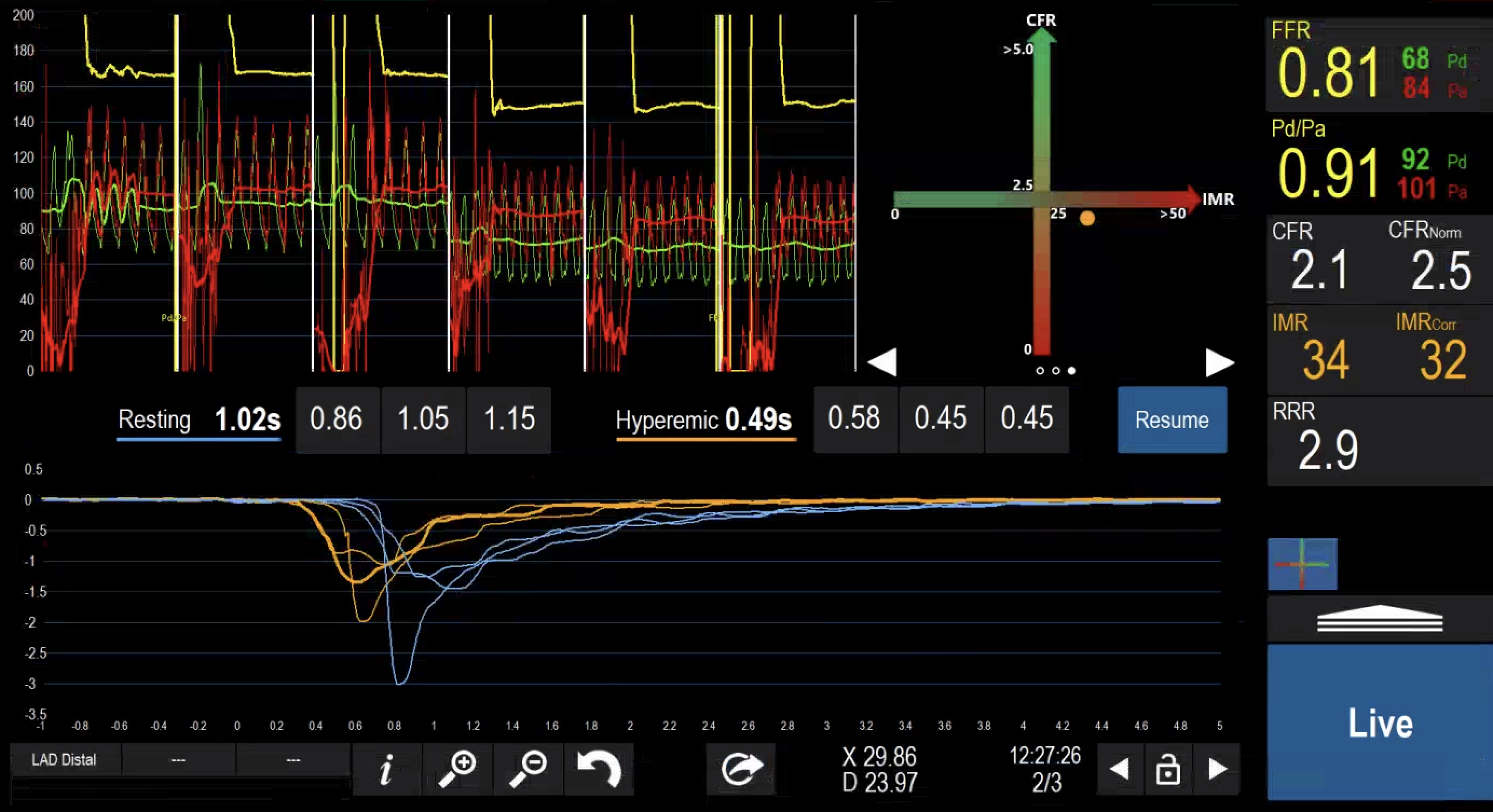
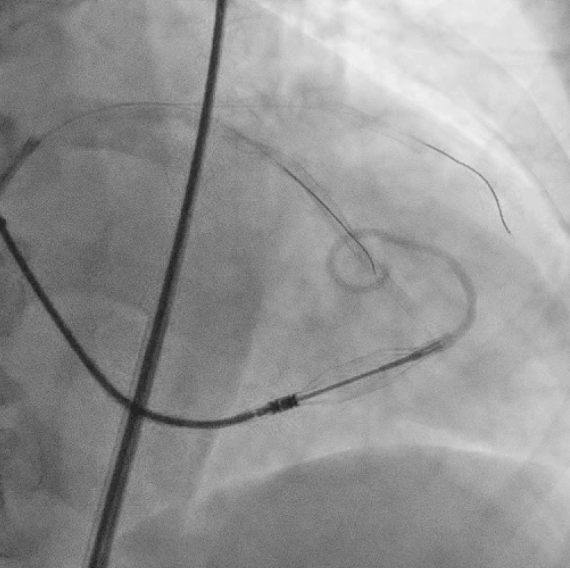
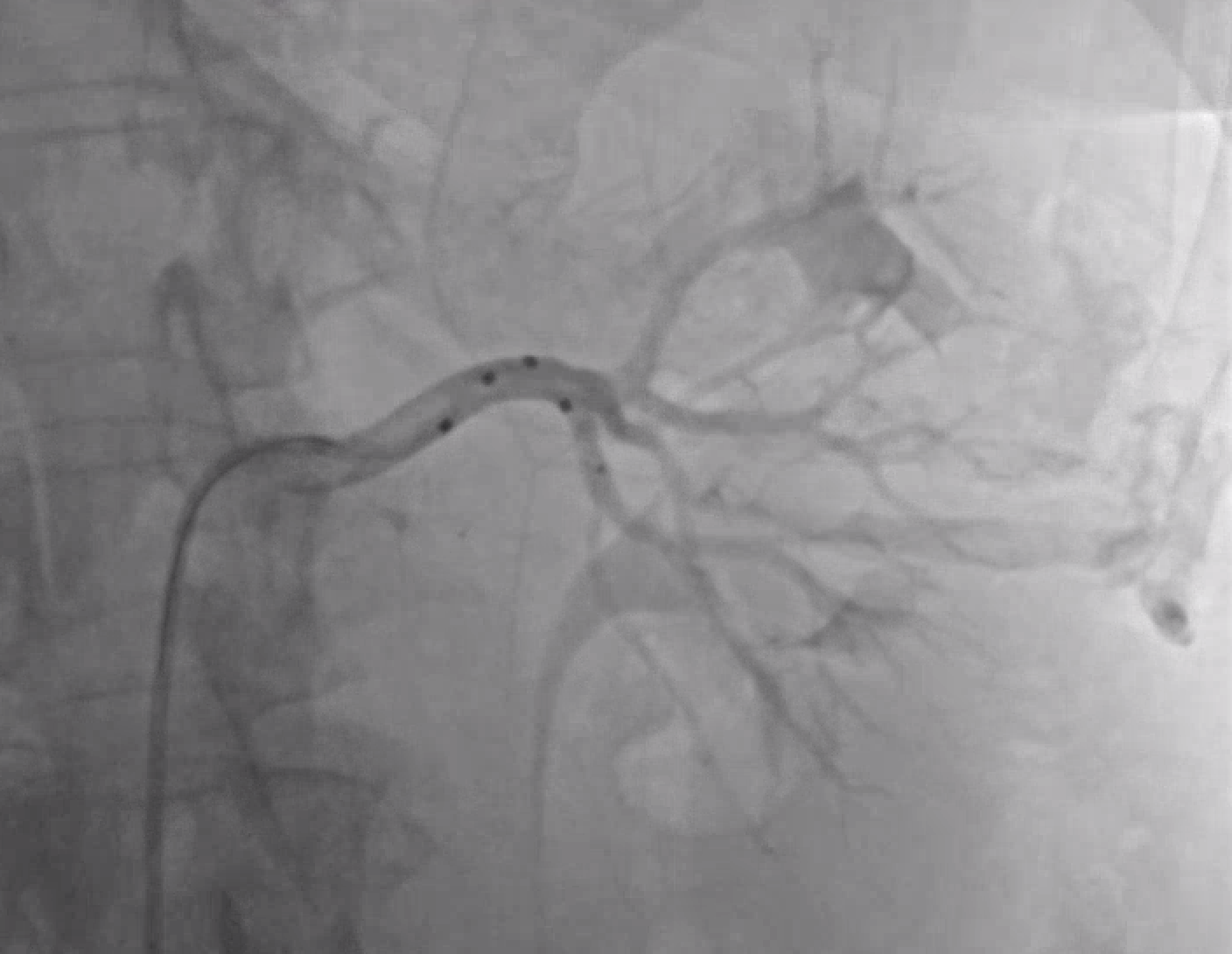
PICC brings advanced imaging, coronary physiology, intracoronary imaging, and selected interventional options into the larger story of symptoms, risk, and long-term care—not simply because the technology exists.
Patient questions
Understanding how technology fits into care.
These answers are general education. Your clinician should explain why a particular test or procedure is—or is not—appropriate for you.
Does every patient need advanced testing?+
No. A test is considered when it can answer a specific clinical question, clarify risk, or change a treatment decision.
Does more technology mean I will need a procedure?+
No. Advanced imaging or physiology may support prevention, medical therapy, observation, another test, or intervention depending on the full clinical picture.
What is the difference between anatomy and physiology?+
Anatomy shows the structure of an artery and plaque. Physiology evaluates whether a narrowing meaningfully limits blood flow.
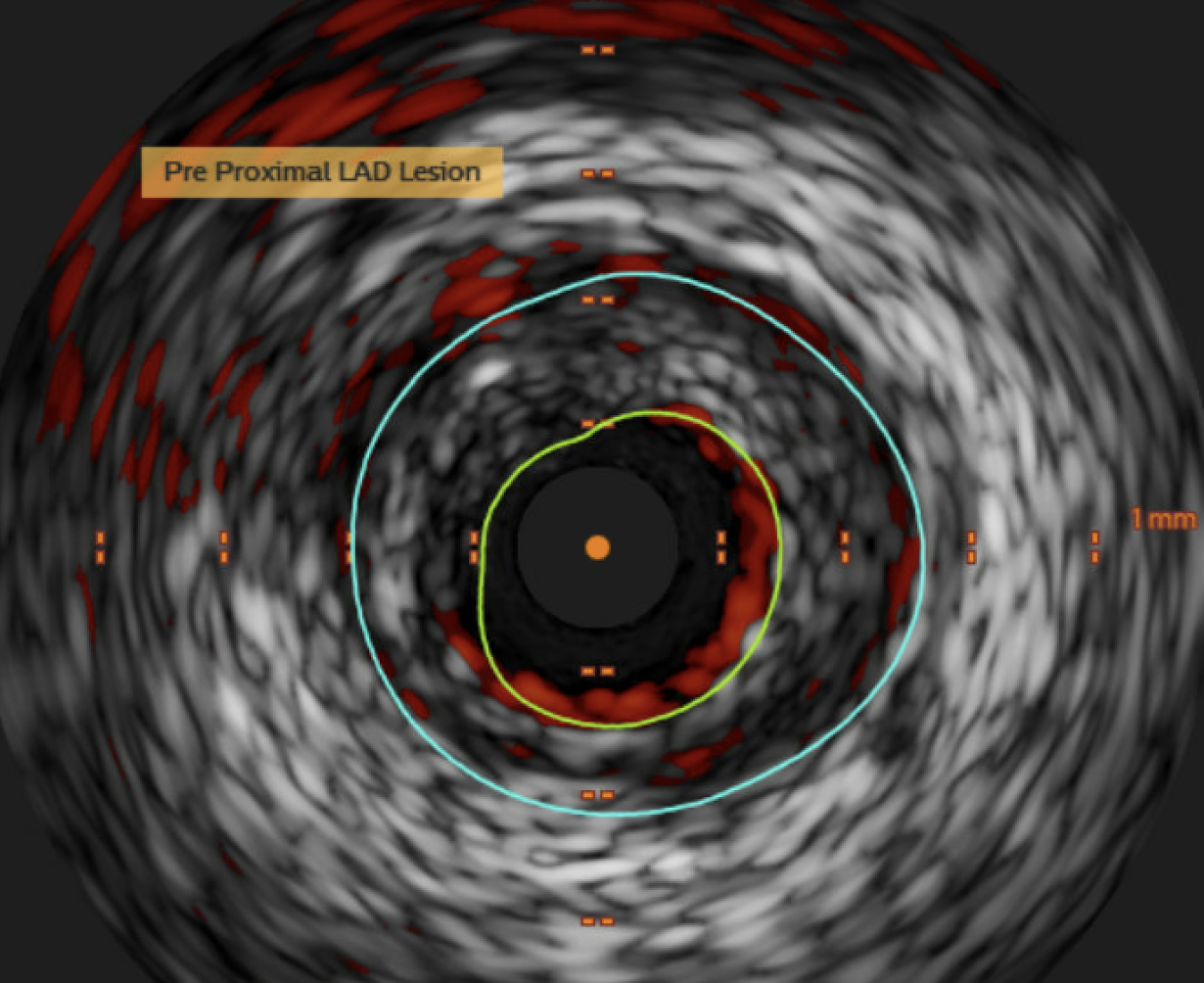
What is the difference between IVUS and OCT?+
Both look from inside a coronary artery. IVUS uses ultrasound, while OCT uses near-infrared light and provides very high-resolution detail. The clinical question guides the choice.
Can coronary CT replace cardiac catheterization?+
Sometimes CCTA answers the question noninvasively; other situations require invasive measurements or treatment. A clinician selects the appropriate pathway.
Where can I learn more about a specific technology?+
Each item below links to the corresponding PICC clinical program, and the Education Hub contains additional medically reviewed patient guides.
The PICC principle
More information should create a clearer decision—not automatically more procedures.
Some findings support intervention. Others support prevention, medical therapy, additional observation, or reassurance. The right tool is the one that helps the patient and clinician choose the next right step.
Request an appointment →