Your care keeps moving
Prevent
Understand your risk before symptoms start.
North Jersey cardiovascular care
Prevention to Intervention. One cardiovascular team.
PICC connects prevention, advanced diagnosis, precision treatment, intervention, and long-term cardiovascular care.

Care close to home
The PICC care loop
Every visit is designed to move you toward the next right step—and keep you connected after that step is complete.
Start the conversation →Your care keeps moving
Understand your risk before symptoms start.
01 / 05
Prevent → Detect → Diagnose → Treat → Prevent Again
Complete cardiovascular care
PICC brings preventive cardiology, advanced diagnostics, interventional expertise, and longitudinal care into one coordinated model—so the next step is based on what you need, not a one-size-fits-all pathway.



Specialized programs
Open any card for a concise overview, then explore the full program when you are ready for more detail.
A focused pathway for persistent chest pain and cardiac symptoms when major coronary arteries appear normal or non-obstructed.
Who this may help: People whose chest pain or cardiac symptoms continue despite a normal or non-obstructive angiogram.
Explore full program →Sophisticated coronary evaluation and treatment guided by anatomy, physiology, imaging, symptoms, and overall cardiovascular risk.
Who this may help: People with complex coronary disease, persistent symptoms, a chronic total occlusion, or questions about whether intervention is the right next step.
Explore full program →Noninvasive coronary imaging used to see plaque, understand anatomy, and add physiologic information when it can answer a specific clinical question.
Who this may help: People who need a clearer assessment of coronary plaque, anatomy, or cardiovascular risk without starting with an invasive procedure.
Explore full program →A structured pathway for difficult-to-control blood pressure, medication optimization, secondary-cause evaluation, and procedural options for selected patients.
Who this may help: People whose blood pressure remains high despite several medications or who need more coordinated follow-up.
Explore full program →Specialized cholesterol care for inherited risk, statin intolerance, high lipoprotein(a), and lipid levels that remain elevated despite treatment.
Who this may help: People with severe or persistent cholesterol problems, premature family history, high lipoprotein(a), or difficulty tolerating standard treatment.
Explore full program →Integrated cardiovascular risk care for people living with diabetes, obesity, insulin resistance, and related metabolic conditions.
Who this may help: People with diabetes, prediabetes, obesity, or metabolic risk who want a cardiovascular plan built around the whole picture.
Explore full program →Personalized cardiovascular risk assessment designed to identify preventable risk earlier and protect long-term heart health.
Who this may help: People seeking a clearer understanding of their future cardiovascular risk, especially with a strong family history or multiple risk factors.
Explore full program →Coordinated evaluation for aortic stenosis and other aortic valve concerns, including questions about timing and treatment options.
Who this may help: People diagnosed with aortic stenosis, experiencing possible valve-related symptoms, or seeking another opinion about treatment.
Explore full program →A careful review for complex cardiovascular decisions, unexplained symptoms, or treatment plans that deserve another perspective.
Who this may help: People deciding about a procedure, managing complex disease, or looking for greater clarity before moving forward.
Explore full program →Culturally informed prevention and earlier risk identification for South Asian patients whose risk may be underestimated by standard tools.
Who this may help: South Asian patients, especially those with diabetes, a strong family history, or early cardiovascular events in the family.
Explore full program →Evaluation for circulation problems outside the heart, including symptoms that may reflect peripheral artery disease.
Who this may help: People with exertional leg pain, slow-healing wounds, known vascular disease, or significant cardiovascular risk.
Explore full program →Patient-first navigation
Cardiovascular care often begins with a question, not the name of a specialty. Choose the concern that sounds most like yours.
Microvascular disease and INOCA can cause symptoms even when major arteries are not obstructed.
Coronary Microvascular Disease & INOCA CenterThe next step depends on symptoms, the type of stress test, overall risk, and whether anatomy or physiology would clarify the finding.
Advanced Cardiac CT and AI Coronary ImagingAnatomy, symptoms, physiology, and overall risk all help determine the right approach.
Advanced Coronary Intervention ProgramA focused review can clarify whether complex PCI, surgery, medical therapy, or another pathway fits.
Advanced Coronary Intervention ProgramA careful review of symptoms, prior treatment, heart function, and coronary anatomy can clarify whether CTO intervention should be considered.
Advanced Coronary Intervention ProgramA structured resistant-hypertension evaluation can look beyond the medication list.
Interventional Hypertension CenterAdvanced lipid care can evaluate inherited risk, lipoprotein(a), and additional therapies.
Advanced Lipid ClinicLipoprotein(a) is inherited; its meaning should be considered alongside LDL cholesterol, family history, imaging, and overall cardiovascular risk.
Advanced Lipid ClinicPreventive cardiology can combine family history, risk factors, laboratory results, and selected imaging into a clearer prevention plan.
Preventive CardiologyCardiometabolic care connects metabolic health with a practical cardiovascular prevention plan.
Cardiometabolic ClinicValve evaluation can clarify symptoms, timing, and whether surveillance, TAVR, or surgery is appropriate.
Aortic Valve CenterExertional leg discomfort can have several causes; vascular evaluation can help determine whether reduced circulation may be contributing.
Peripheral Vascular ProgramIf symptoms may be urgent—including chest pain, severe shortness of breath, fainting, or stroke symptoms—call 911.
The PICC approach
Three questions guide every patient’s care: What is your risk? What is causing the problem? What is the most appropriate next step?
About PICC →Identify and manage cardiovascular risk before it becomes a cardiac event.
Understand what is driving symptoms using the right imaging and physiology.
Match lifestyle care, medication, or intervention to each patient’s needs.
Stay connected before, during, and after treatment—not just for a single visit.
Advanced cardiovascular technology
PICC uses advanced imaging, coronary physiology, intracoronary imaging, and interventional technologies to add useful information—not simply because the technology exists.
Explore all technology →Tests & procedures in plain language →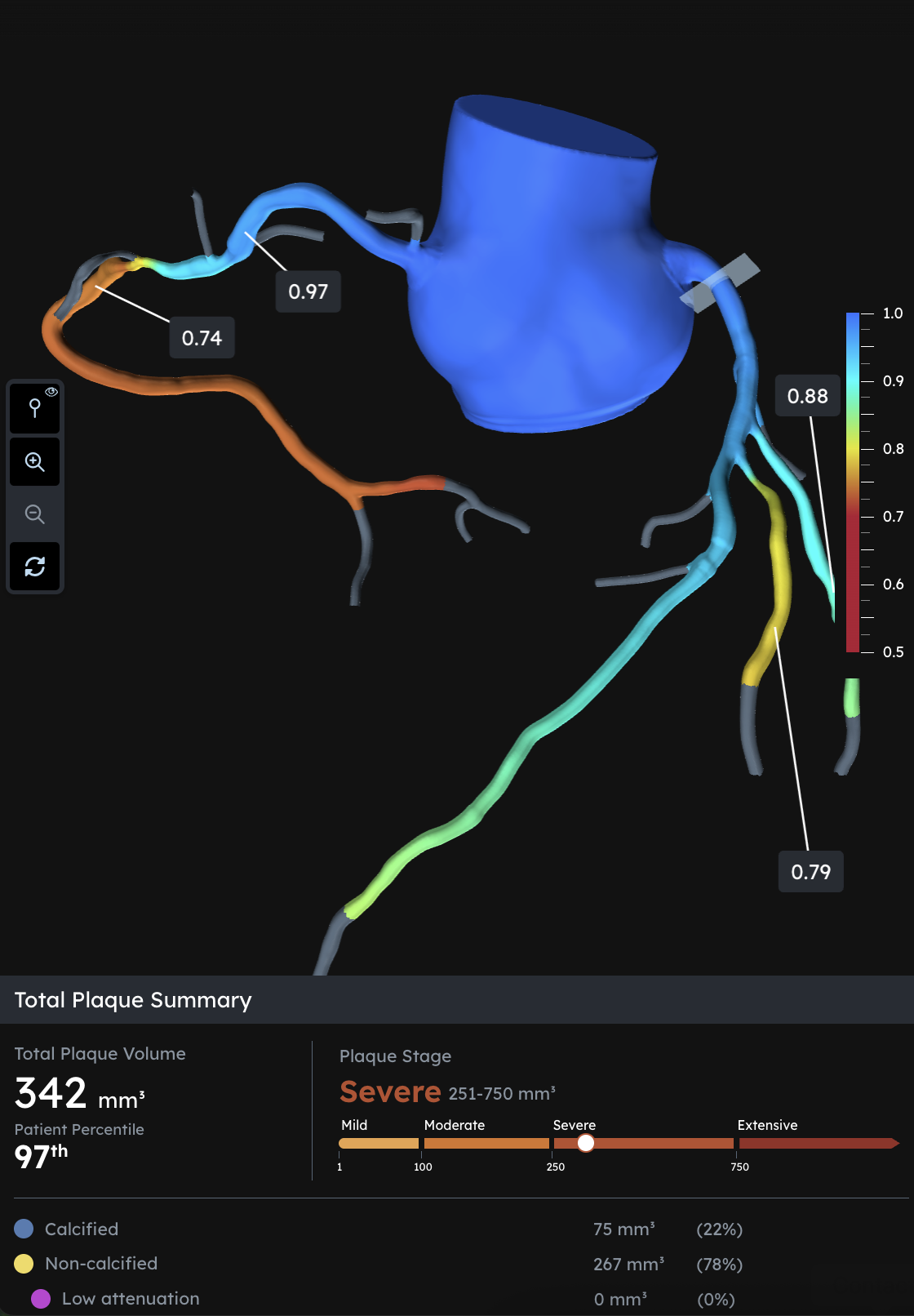
CCTA and AI-enabled plaque analysis can show coronary anatomy and characterize plaque when noninvasive imaging can answer the clinical question.
Related PICC program →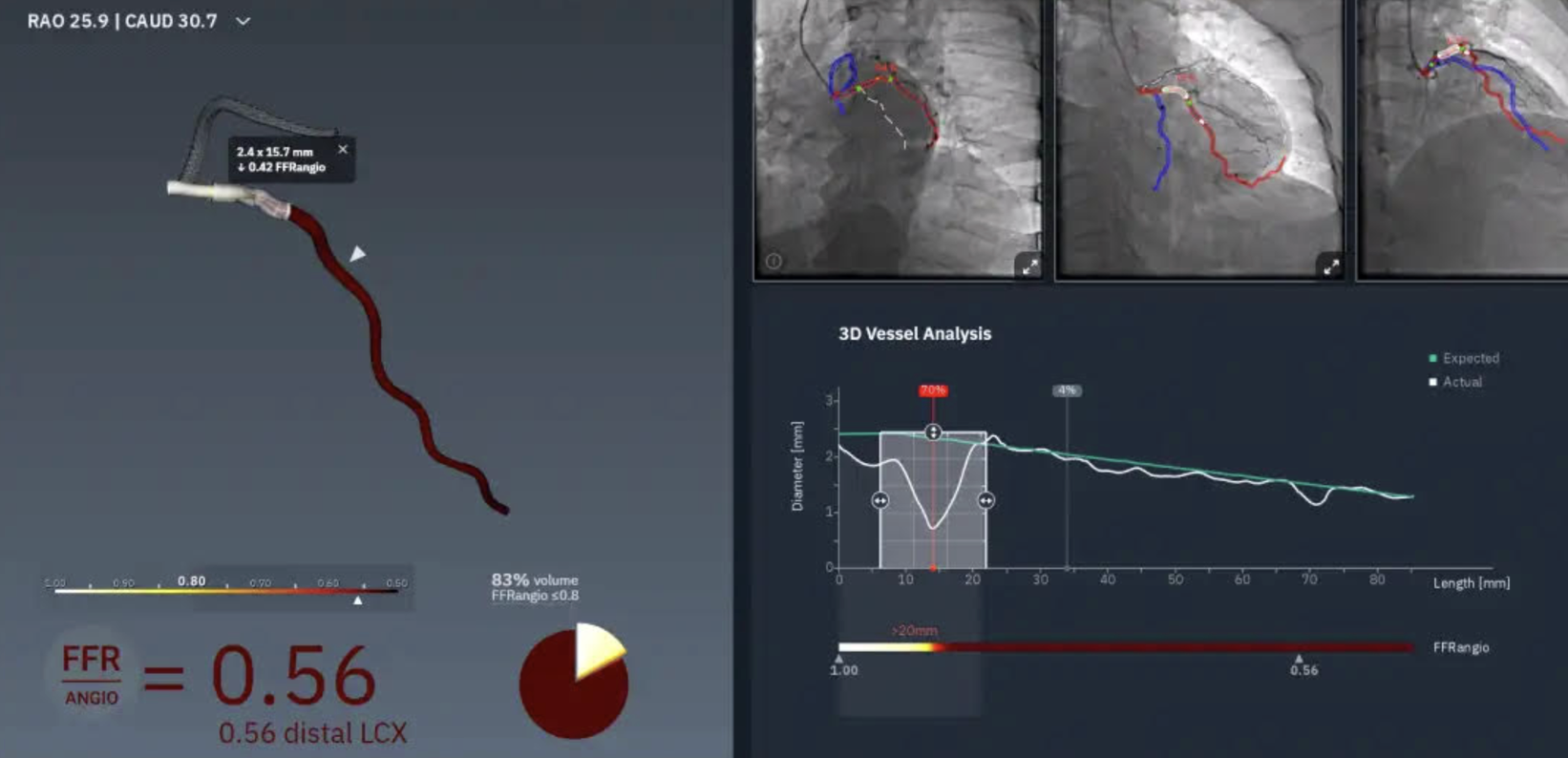
FFR, iFR, and angiography-based physiology help determine whether a coronary narrowing is functionally important.
Related PICC program →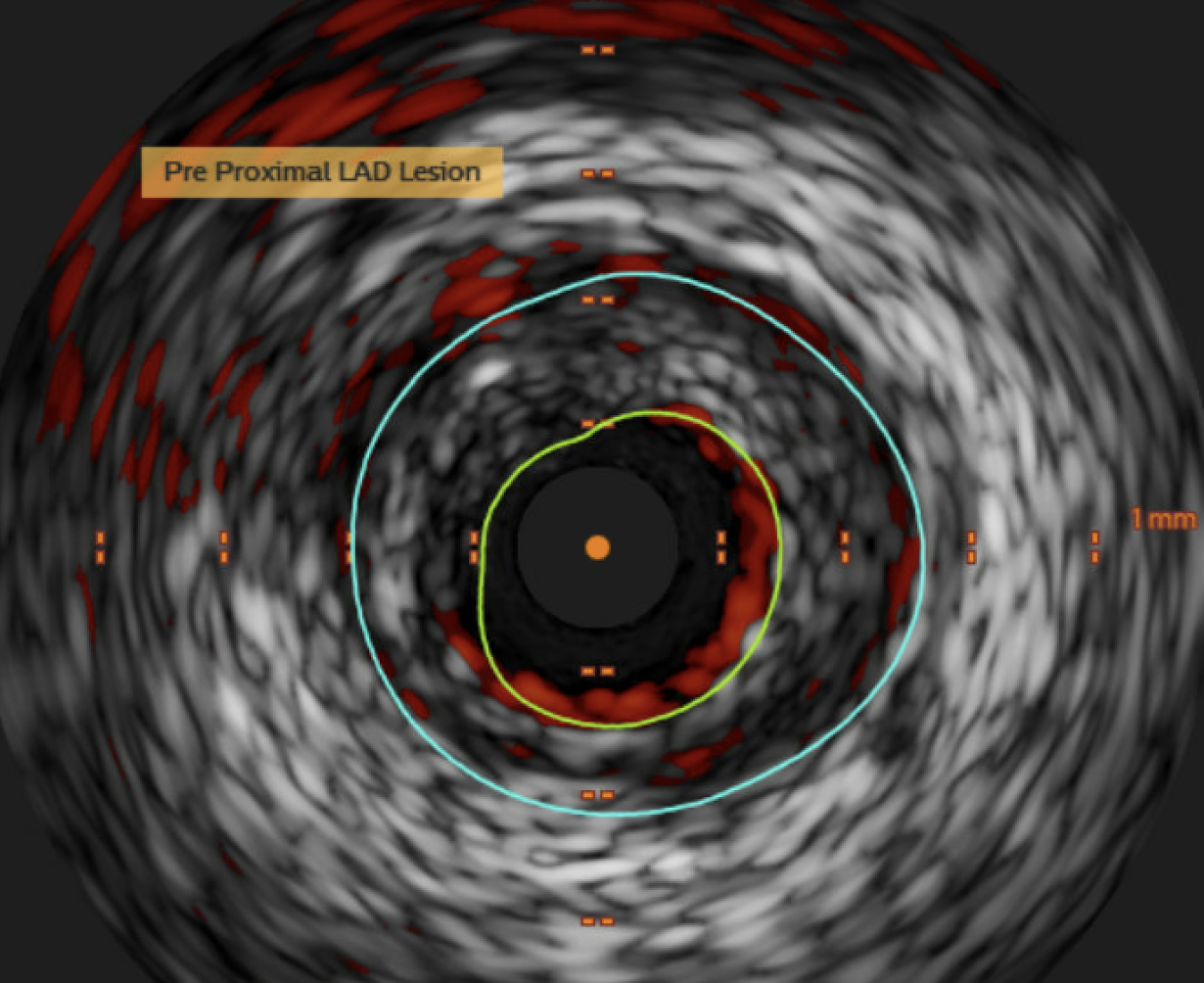
IVUS provides cross-sectional information from inside the artery to clarify vessel size, plaque, and selected procedure results.
Related PICC program →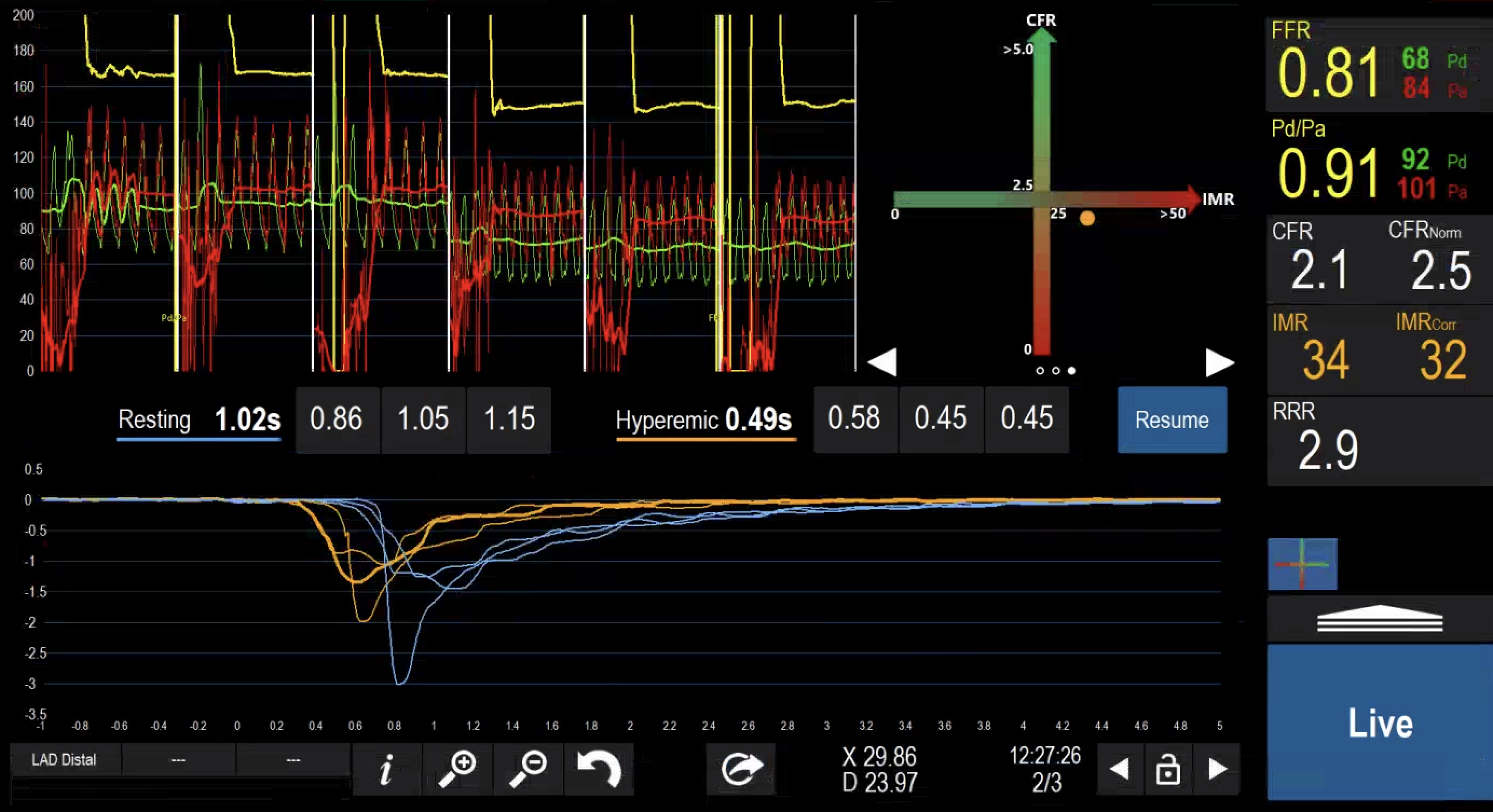
Coronary function testing and physiology curves can help evaluate microvascular or vasomotor disorders when appropriate.
Related PICC program →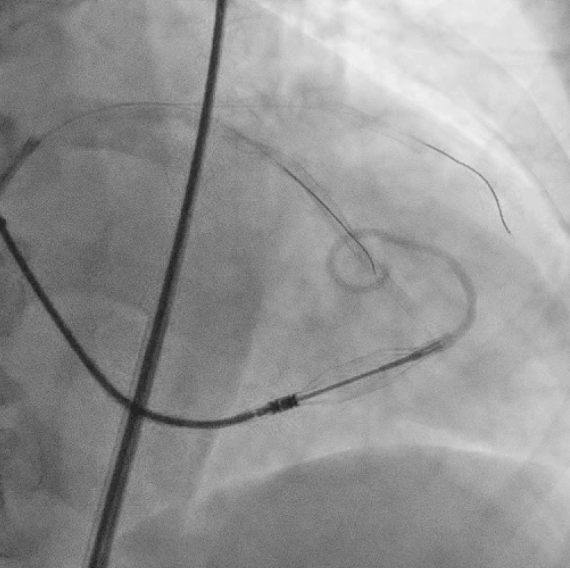
Mechanical circulatory support may be considered for carefully selected high-risk coronary procedures after individualized assessment.
Related PICC program →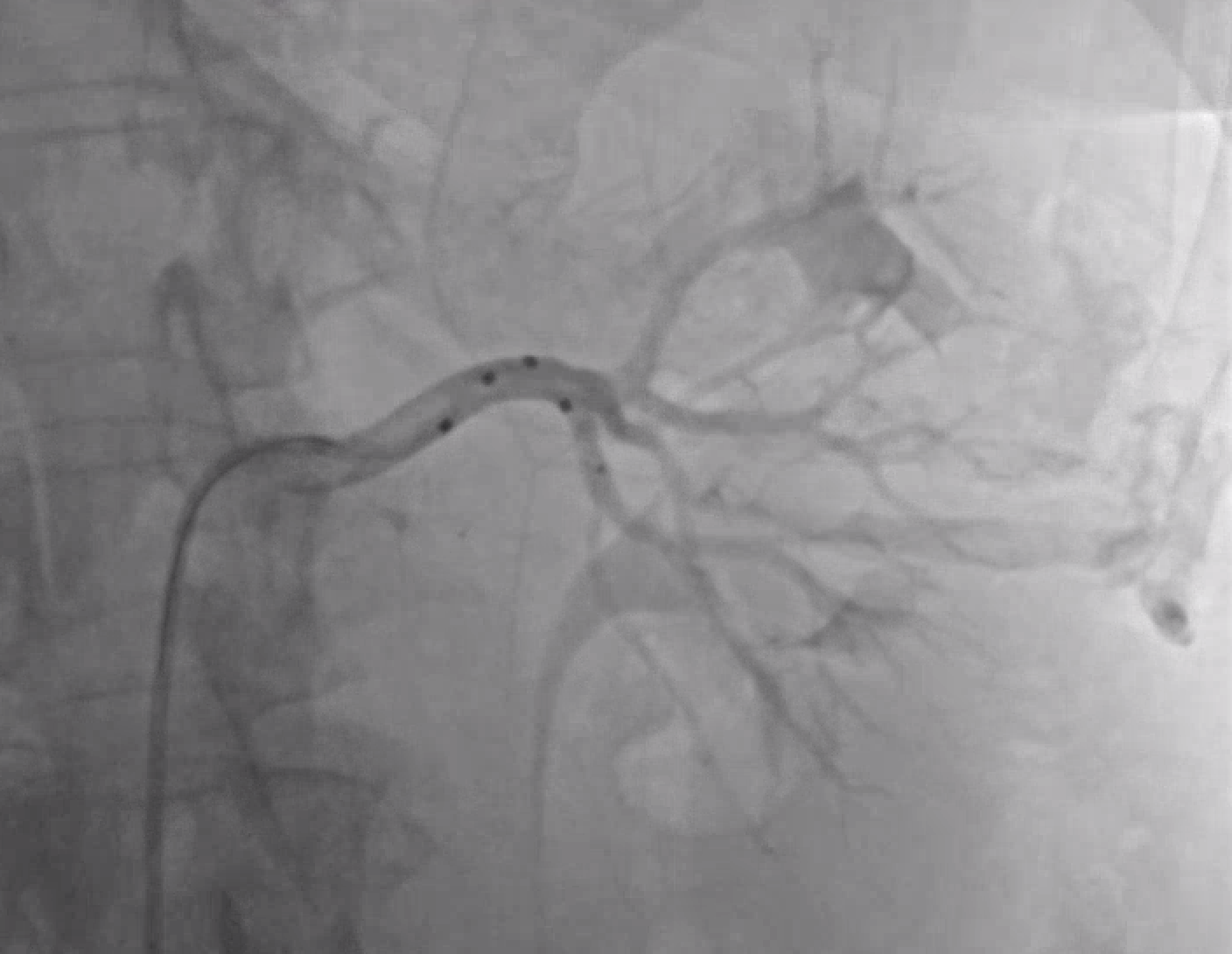
Renal denervation may be considered for selected patients after confirming the blood-pressure pattern and reviewing medications and secondary causes.
Related PICC program →About PICC
Prevention to Intervention Cardiovascular Care was founded by Dr. Ankitkumar Patel to connect parts of cardiovascular care that are too often separated: prevention, accurate diagnosis, hospital-based treatment, and long-term follow-up.
The goal is simple: identify disease earlier, understand it more precisely, and treat it at the appropriate point in its course—whether that means lifestyle and risk-factor management, advanced imaging, medical therapy, or complex intervention.
Meet the team
Physicians and an advanced practice nurse working together across prevention, diagnosis, treatment, and follow-up.
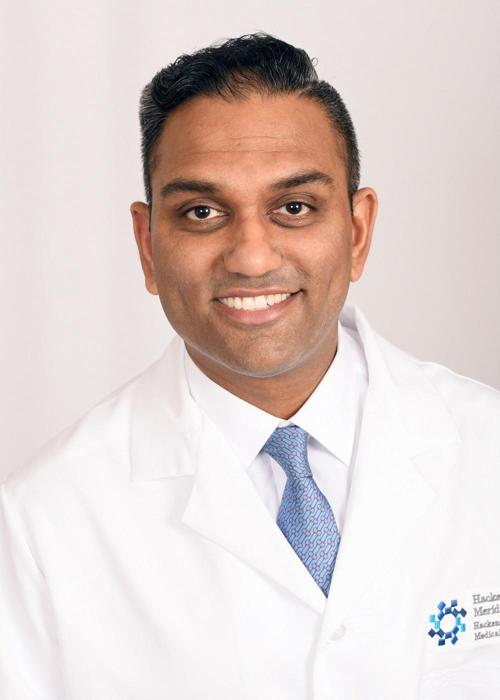
Interventional Cardiologist · Founder, PICC
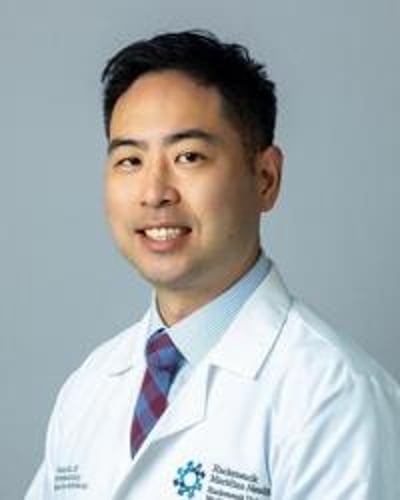
General & Interventional Cardiology

Advanced Practice Nurse · Preventive Cardiology
Verified patient feedback
Individual experiences vary. Comments are sourced from official HMH provider pages and do not promise a particular result.
PICC education hub
Patient-education videos from established medical centers explain common heart tests and what patients can expect.
A patient-friendly overview of why a cardiac catheterization is performed and what typically happens before, during, and after the procedure.
Open on YouTube ↗A plain-language introduction to echocardiography, a noninvasive ultrasound test used to look at the heart’s structure and function.
Open on YouTube ↗A cardiologist explains how a monitored exercise stress test helps a care team evaluate how the heart performs under increased demand.
Open on YouTube ↗A brief explanation of how a CT coronary calcium scan can add information to a clinician-guided cardiovascular risk assessment.
Open on YouTube ↗Clear heart-health information in the formats patients use most.
How contemporary cath-lab technology adds physiologic information to coronary decision-making.
Listen ↗Episode 7 · 24 minA patient-friendly conversation about connecting coronary anatomy with physiology.
Listen ↗Episode 3 · 20 minWhy chest pain can continue even when the major coronary arteries appear open.
Listen ↗Research & education
PICC connects patient care with cardiovascular research, clinical education, and thoughtful use of new technology.
How angiography-derived physiology may inform coronary treatment decisions.
View publication ↗Peer-reviewed publication · 2024A review of circulatory support considerations in selected high-risk coronary procedures.
View publication ↗Peer-reviewed publication · 2022An examination of anticoagulation strategy in the catheterization laboratory.
View publication ↗Peer-reviewed publication · 2024A clinical report addressing a rare complication during TAVR.
View publication ↗Case Reports in Cardiology · 2020A case report describing multivessel spontaneous coronary artery dissection managed without coronary intervention.
View publication ↗Peer-reviewed publication · 2021A report on mechanical support in a rare cardiomyopathy presentation.
View publication ↗These publications reflect work involving PICC clinicians. They are not represented as studies conducted by PICC unless specifically stated.
Explore the complete research library →For referring clinicians
We value the referring clinician relationship. Our goal is timely evaluation, clear communication, and coordinated longitudinal care.
View referral pathways →Referral fax for all PICC locations: 848-308-5364
Three practice locations
Choose the most convenient office. All three locations use the central PICC phone and referral fax numbers. Call before visiting to confirm current hours and scheduling.
Call to confirm cardiology office hours
Main PICC office
Call to confirm cardiology office hours
Parking garage available at the center
Call to confirm cardiology office hours
Self-parking and valet are listed at the center; call to confirm current availability
Request an appointment
Call the PICC office to request an appointment, ask about referrals, or find the best location for your visit.
Call 911 right away for chest pain, difficulty breathing, fainting, stroke symptoms, or another medical emergency.
Public provider, phone, and location facts were rechecked against official Hackensack Meridian Health sources on August 22, 2026. Practice descriptions and program information are based on materials provided by PICC. Care photography is representative; team portraits identify the listed PICC clinicians.